Pediatric Consultations
Shanghai
I propose two types of consultations to my patients: well-baby checks and sick child visits
Well baby follow-up of growth and development
- During these consultations, starting from birth, we discuss many things. New parents usually have lots of questions regarding their baby’s habits, feeding, weight gain, sleep, evolution. We try to understand together what may be going on and if everything is normal, or if some adaptation or some evaluation are warranted.
- From the doctor’s perspective, the focus is also different at different ages: that is why well-baby consultations are proposed at specific ages, matching baby’s developmental milestones. I also have my set of questions at each these consultations.
- The first consultation is typically proposed within a week after birth, at 15 days (depending on the situation), 1 month, 2 months, 4 months, 6 months, 9 months, 12 months, 15 months, 18 months, 24 months, 30 months, 36 months and once a year after 3 years.
- The well-baby consultation is also an opportunity to administer vaccinations following a well-defined calendar, usually discussed during the first consultations. Good timing is important to avoid delays and missed doses.
When kids are sick
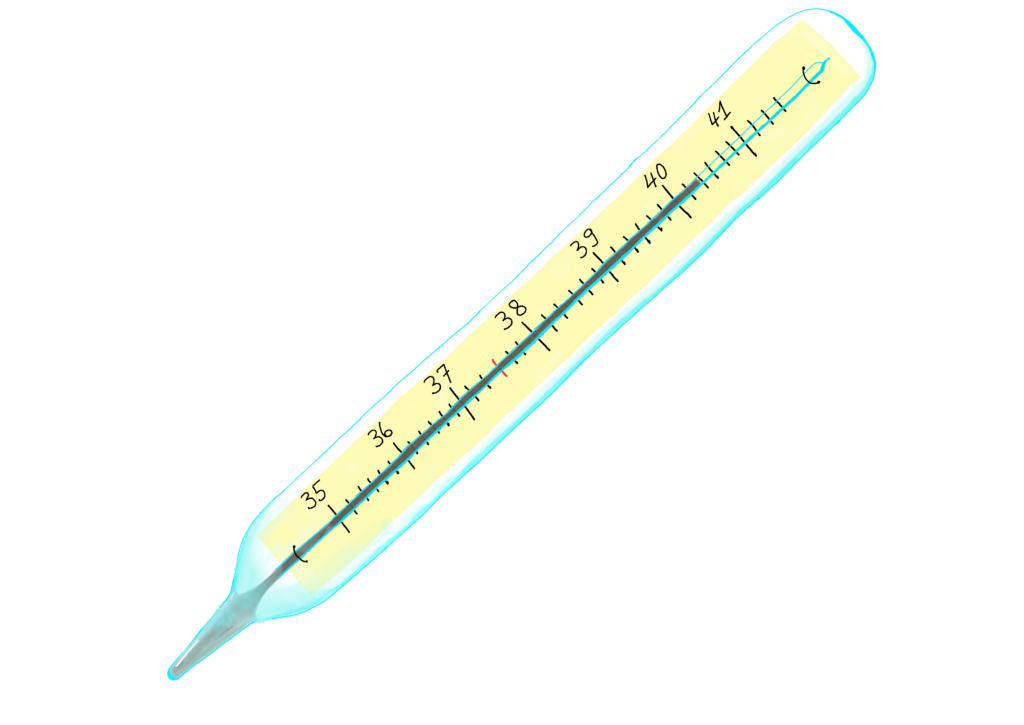
- Very young babies are fortunately rarely sick but that can happen and it is of course important not to miss something potentially more serious, a possibility that should always be ruled out in very young infants who are not behaving as usual or who have fever. Their vaccination has barely started and their immune system means that illnesses lead to very unspecific signs.
- From the age of six months, babies are more likely to show signs of an infectious disease and fever in particular, fortunately often viral and self-limiting. These often worry parents because a fever can be caused by anything, including perhaps something more serious that will require treatment.
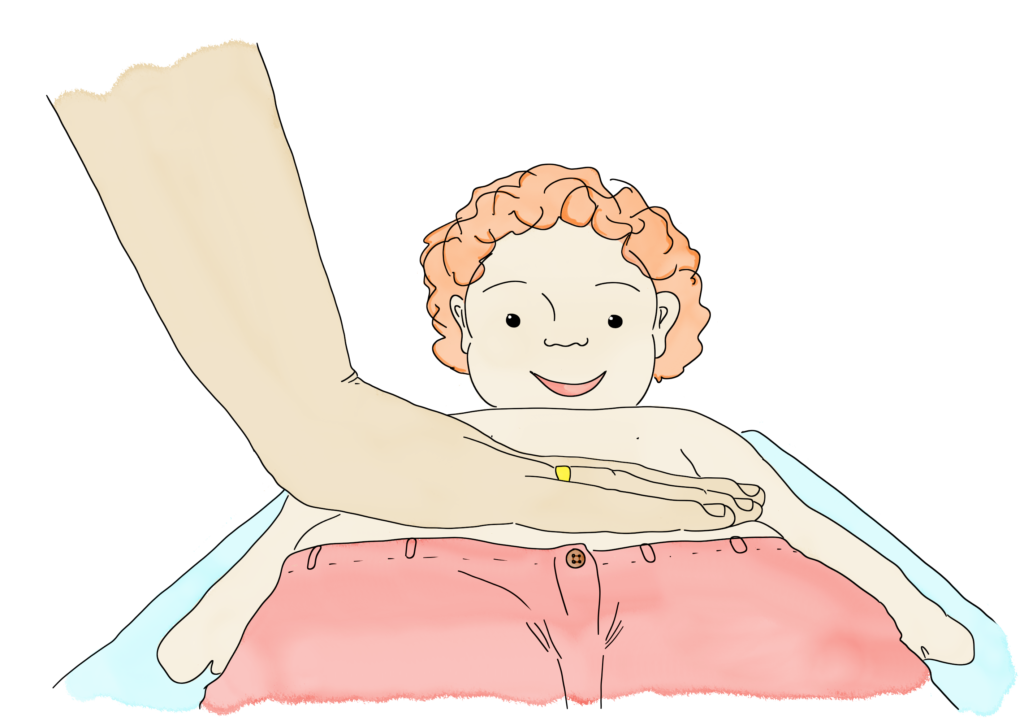
- Consultations for sick babies are the time to deal with such issues, to understand the history of illness, the signs and symptoms through what the parents have observed, and through systematic interview and physical examination by the doctor. The doctor then comes to a narrow list of the most likely explanations for the problem, and recommends a course of action. Eventually a shared decision is taken regarding the way to deal with the illness.
- It is important to recognize that, except for very young infants, most febrile illnesses of young age are self-limiting (notably because of vaccination) and that a big part of our work as pediatrician is to minimize the harm done through the medical encounter, by avoiding unnecessary investigations and treatments.
- Some illnesses are chronic and require a careful understanding of the symptoms history and several follow-up consultations to allow for proper treatment. One such illness is childhood asthma and close communication between the doctor and the parents are essential to optimize the quality of life and minimize risks.