About Dr Goldman
Pediatrician in Shanghai
Early days
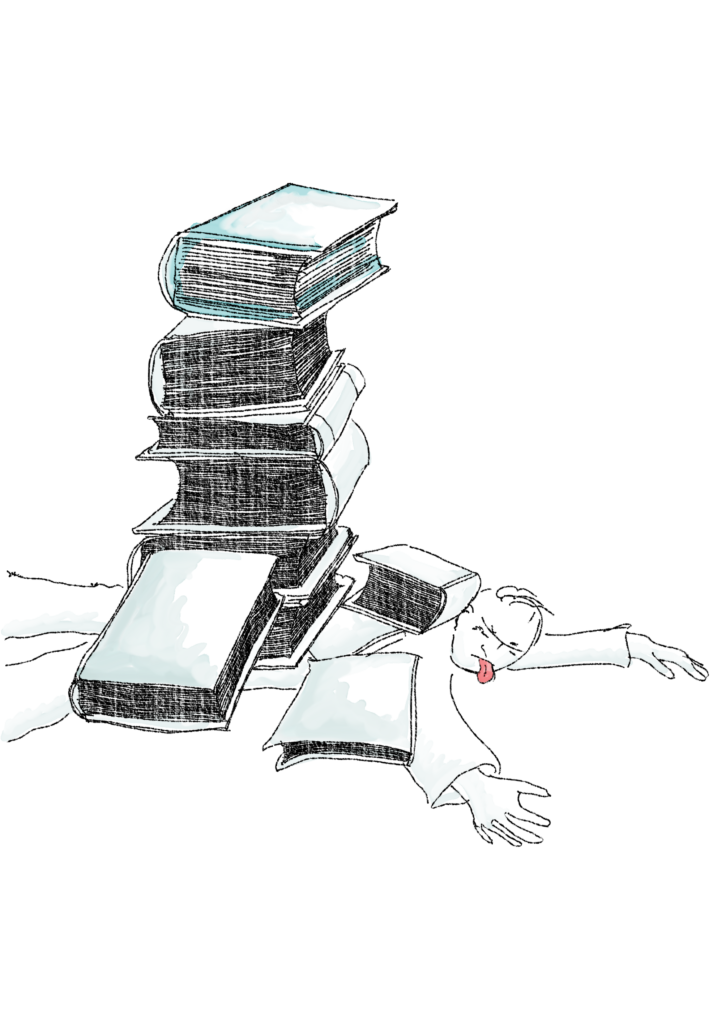
I started my medical school in 1987 – I know, it was a while ago. At that time, I was more into poetry and literature than math and chemistry, the killers of the first year as a medical student in Belgium. It was hard. Piles of books and photocopies, long days and nights that make you forget where you had parked your car the next day… or fall asleep on the highway. Then, seven years later, I had made it.
It was the late spring of 1994, just after what became known as the Rwanda genocide. Coincidently, there was lots of interest (and money) poured into medical emergency relief organization. So, naturally I went to see one of them: Doctors Without Borders (MSF) and asked them if I could help – yes, almost seven years into medicine and still very naive. So they said, at MSF: “finish Medicine, study Tropical Medicine and then come back to see us”.
My friend at university tried to convince me out of the silly idea of going abroad instead of going for a specialty. I would never be able to do that later, they said. For sure, had I stayed, I would never have been anywhere else than Brussels. Because of course, you meet someone, have lovely kids and the road is nicely built in front of you.
And so I kicked myself out of the Academia, went to study mosquitoes and public health, before indeed landing in Rwanda six months later. I was pale green according to the friend sitting next to me in the plane.
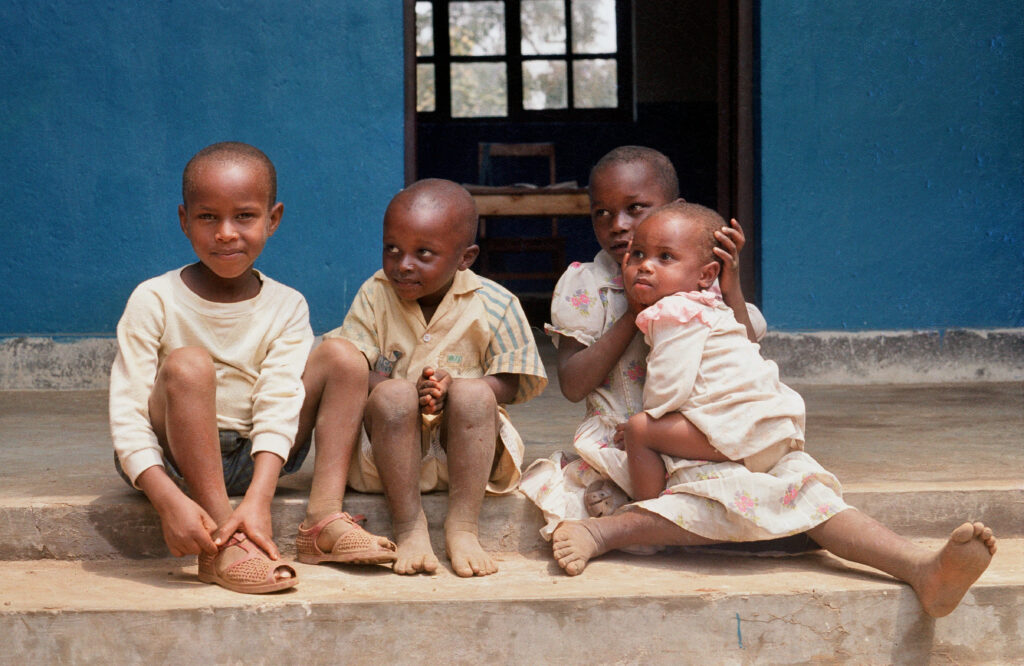
Medical university prepares you for human suffering. But war means acute starvation on top of chronic malnutrition, wounds inflicted by machette, rampant infectious diseases, including severe measles, cerebral malaria, cholera. Everywhere, uncontrollable; adults and kids. So I had by then, in a few months, also kicked myself out small talks with friends after holidays.
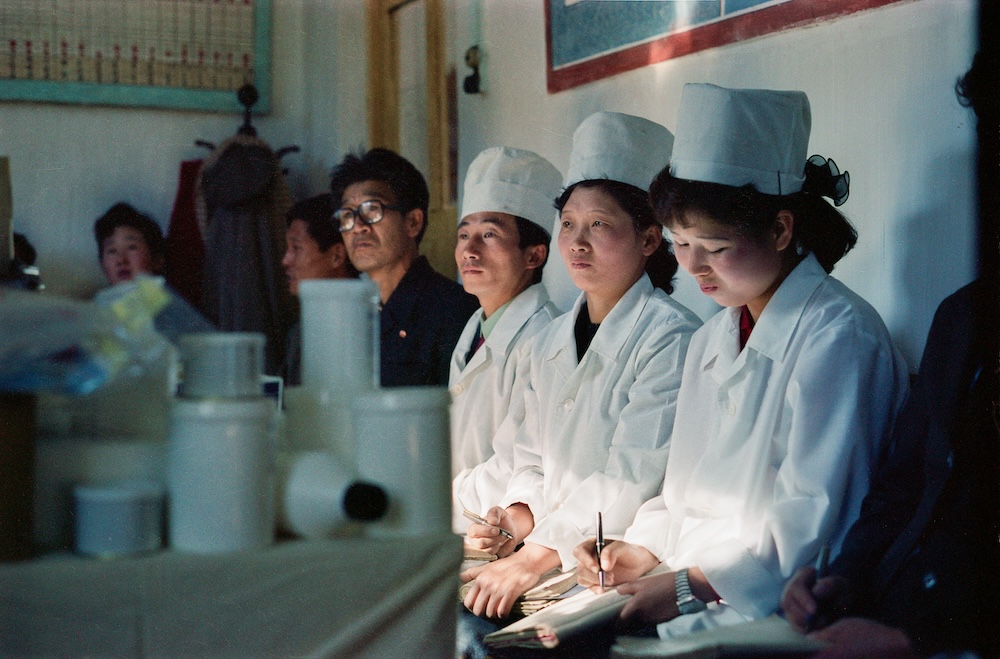
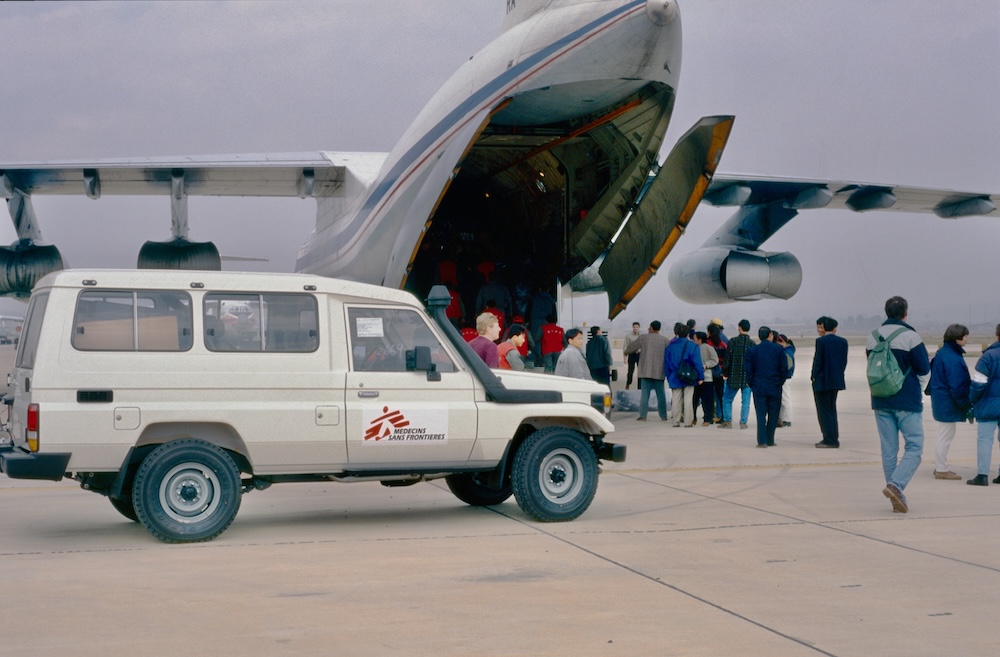
But it was also because of MSF that I arrived in China, first through a project in North Korea. Nobody wanted to go to North Korea at MSF, so they found me. It took me an hour to decide and it changed my life again. North Korea was… ok; but landing in Beijing Terminal 1 (waiting for my Koryo flight to Pyongyang) and eating fangbian mian for the first time was exhilarating. Not long after, I was back in China in a Russian cargo plane to bring relief materials to Kunming, Lijiang and Zhongdian (nowadays Shangrila), after Lijiang’s big earthquake in February 1996. I loved it as much as my first time at Beijing Airport so I asked my boss at MSF headquarter in Belgium to send me back on a longer term project in China and I was sent to Guangxi (Xincheng, not too far from Liuzhou).
China
As we say, the rest is history because I found my family in China and I am still here. I went back to Belgium for my five-year pediatric residency (so my friend were wrong: it is possible), only to be back in Beijing again, to work with United Family Healthcare. Our kids grew up in Beijing.
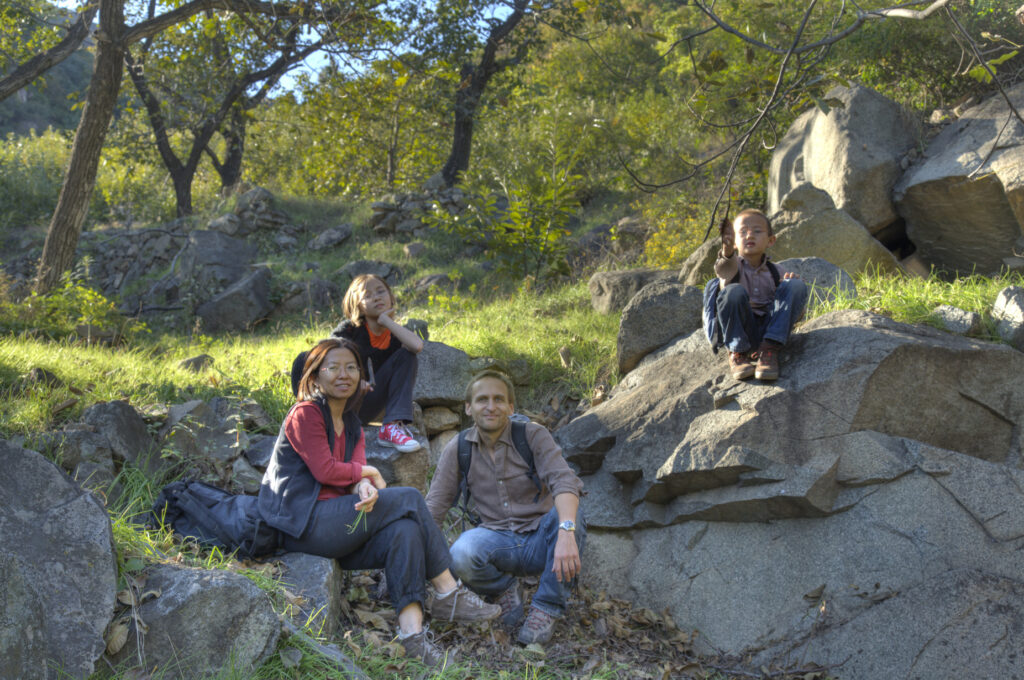
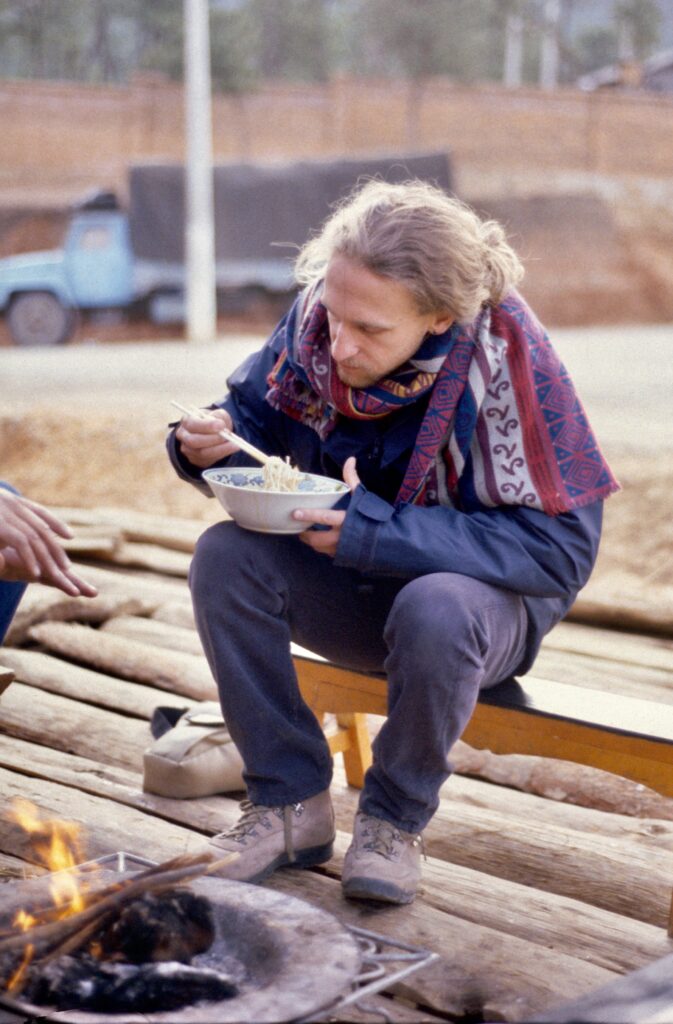
Working outside of the academia, or in different academia (such as studying at a Tropical Medicine Institute, or in a different country, such as the UK where I eventually studied Public Health); and working with professionals who had different trainings and certainties than mines all had profound side-effects on my mind: how is it that we have different ways of treating the same medical issues, since we are all human beings – now, some may believe that it is because we are indeed all different. Yes, but not that different, not so different that an antibiotic to treat a urinary infection caused by Escherichia coli works on a Belgian and not a Chinese. And in any case, doctors disagree within their own academia and sometimes for the simple reason that we just don’t know what is the answer.
But my point is that we now have ways to be reasonably sure of what is the answer: whether a treatment works better than no treatment or whether one treatment is better than another treatment. This is not trivial because every day we must be able to answer this common question: “but why is it that the other doctor has prescribed me this medicine last time?” Good question! Because, after all either it was not for the same problem, or we don’t know exactly what is the best treatment or we know that both treatment are equivalent; or indeed we know that one treatment is superior to another one. In any case, as a parent you will want to know: whether there is something better than nothing or something better than something else.
Medical practice philosophy
But we live through strange times.
The science of knowing which medicine works best is very expensive and therefore those who engage in it have a very strong incentive to make it work. In other words, we need a very inquisitive Regulator to make sure that someone who develops a new technique or medicine does it properly in spite of the strong incentive to show that it works at all costs.
These Clinical Trials, as they are called, are also very complicated and usually not understood properly by doctors. So, we can easily imagine how anyone who is not a pharmacist or a doctor (including the legislator) would understand it. And yes, the industry also know that we don’t know. Luckily independent professional organizations exist that can inform us about what works and what doesn’t, reducing uncertainties. We know, for example, that homeopathy doesn’t work better than a placebo and that osteopathy / chiropractic have theories based on thin air, so perhaps if they work it is because of their effect on the mind of the recipient. That is ok, except when some of these techniques are dangerous.
Now, perhaps as a result of this complication, but also because of the lack of proper teaching in schools and universities, many see the industry as evil and can’t understand what it means to have a safe and effective treatment, going then for fantasy medical techniques and denying their kids and themselves proper treatments we know work (such as refusing vaccination).
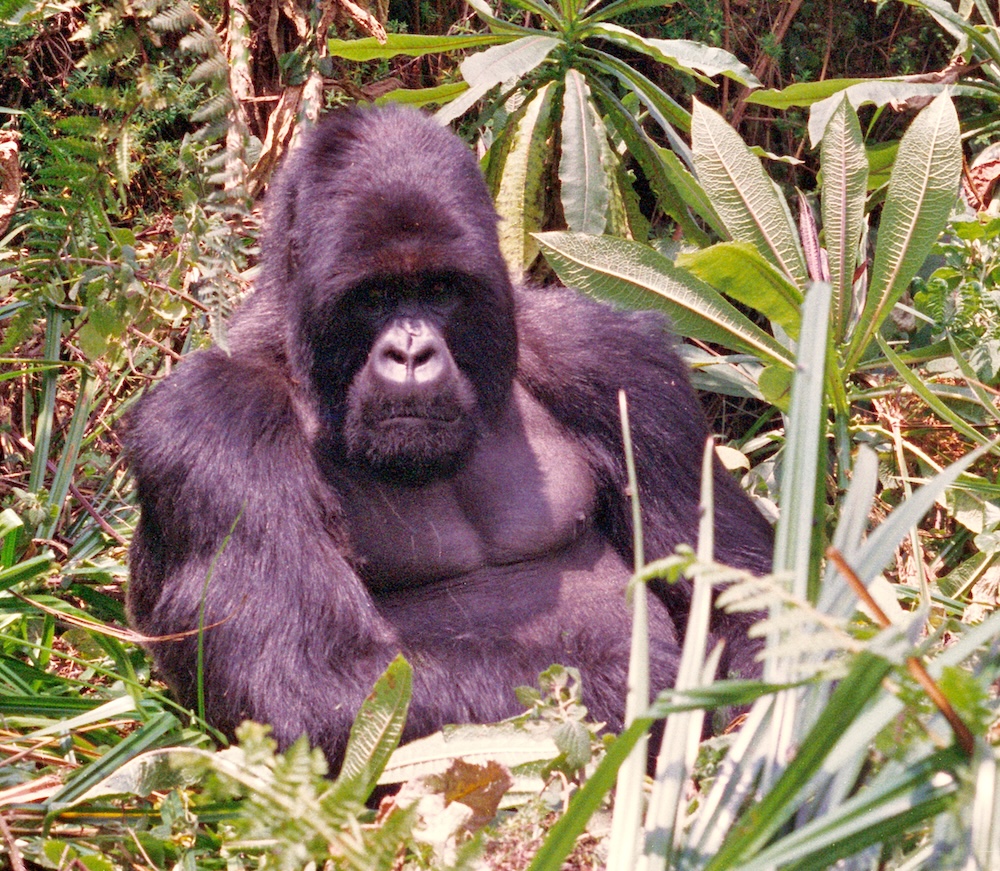
Finally, medicine hurts and medicine is expensive and so we should use it only when necessary. If a treatment doesn’t make the illness less painful or significantly shorter without important side effects, should we consider it? I would not suggest so. We should treat what is important with effective medicine, not self-limiting mild illnesses.
Medicine also hurts and costs money when we do investigations to understand the origin of the disease. We should investigate an illness with lab exams or radiology or others for potentially important illnesses. It is precisely the job of the doctor to judge when we should investigate further after a consultation, to limit further investigations to what is necessary.
Insurances have also become more expensive and more restrictive as a result of unnecessary use of drugs and investigations increasing the cost of care. I believe it is the role of the doctor to explain to the patient what medication or investigation may or may not be warranted and why. I will usually accept to go for a blood test even if I think it is not necessary – but I will then tell the parents why I think it is superfluous. I will usually not prescribe a drug for which a broad consensus exists that the drug in question should not be prescribed, usually because it is ineffective and potentially harmful.
Book & WeChat Public Account
Besides my regular consultations with kids and their parents, I am exploring other avenues to better reach parents and answer the questions they may have.
Practically, I try to keep in touch with parents after the consultation, sharing my WeChat with them. I try to answer simple follow-up questions on WeChat and advise parents to follow-up in person if the question is too complex to solve through a few exchanges on WeChat.
In 2015, I have published a book for the Chinese market titled 孩子生病怎么办?The drawings you can see here and there on this website were made for the book.
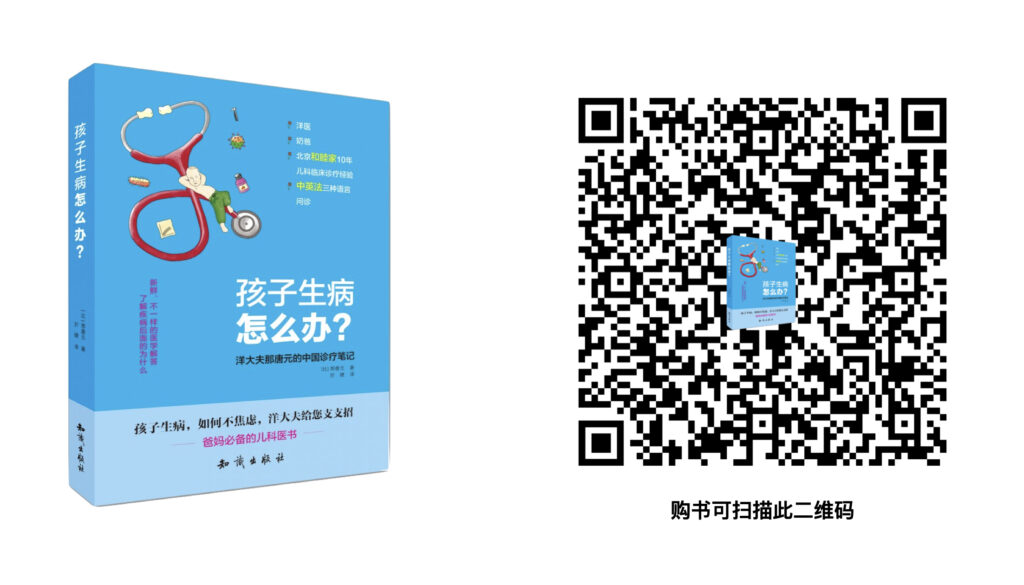
I also have an eponymous WeChat Public Account containing a series of articles about kids health.
Telemedicine
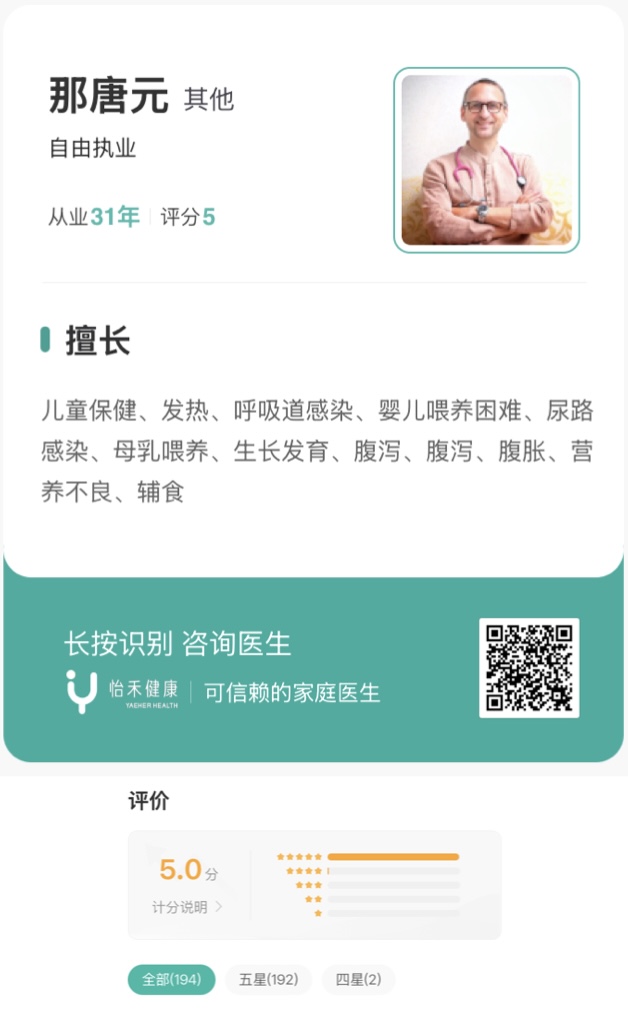
I have done many online / telemedicine consultations through Yi He Jian Kang, averaging 5 stars. Consultations were mostly booked by Chinese speaking patients and provided in Chinese.
Educational videos project
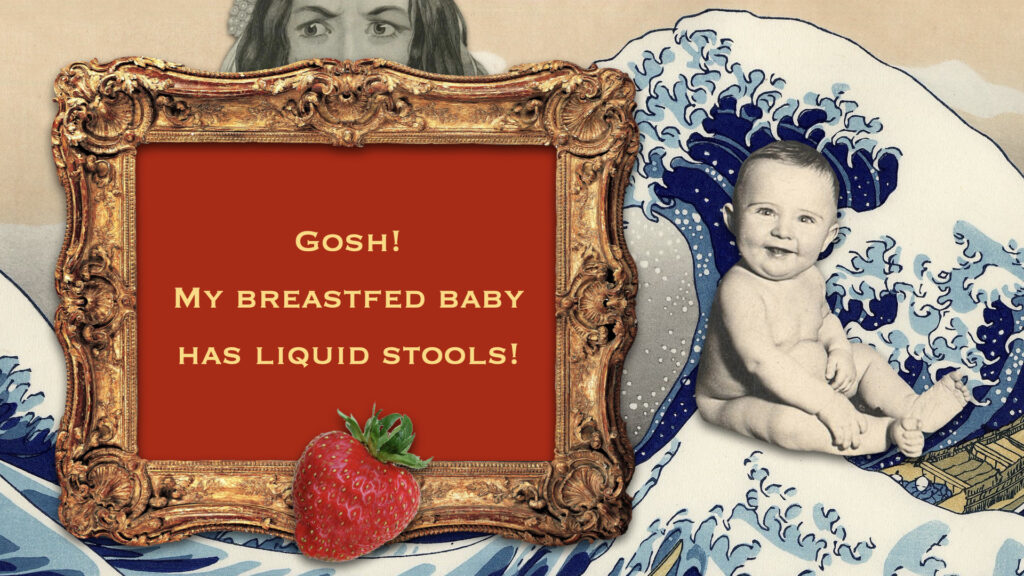
In parallel, I have produced a series of educational videos on my YouTube channel, covering various common pediatric issues. Earlier videos are in French and more recent ones in English.
Computer & Mobile Apps
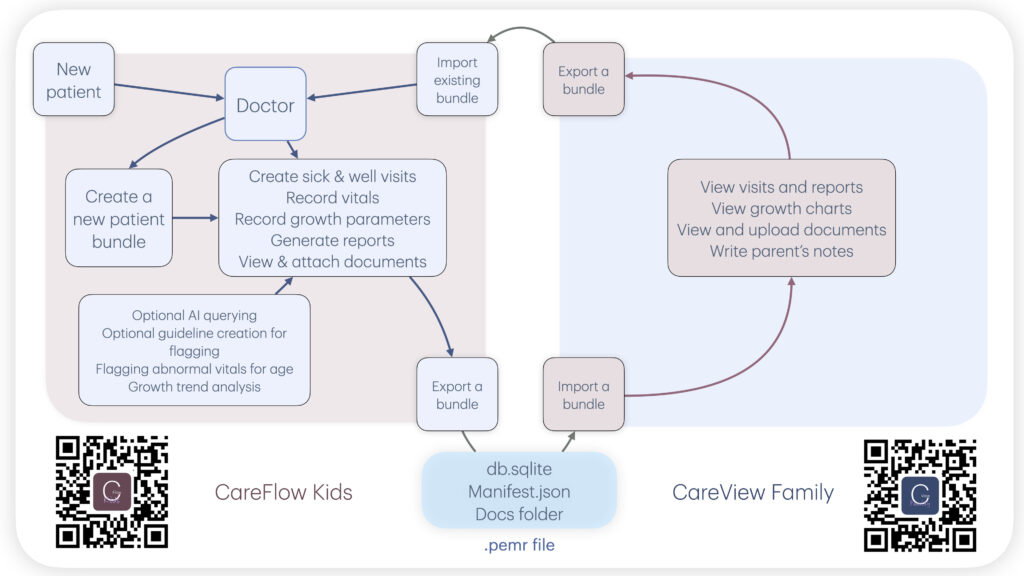
More recently and owing to the recent advance of AI, I have started developing apps related to my experience in medicine. I now have two apps on Apple’s AppStore, CareFlow Kids (to help doctors produce pediatric health records) and CareView Family (the companion app for parents).